Racial Science and Slavery in U.S. Medical Schools
Medical science in antebellum America was organized around a paradox: it presumed African Americans to be less than human yet still human enough to be viable as experimental subjects, as cadavers, and for use in the training of medical students. By taking a hard look at the racial ideas of both northern and southern medical schools, Christopher D. ......
Racial Science and Slavery in U.S. Medical Schools
Medical science in antebellum America was organized around a paradox: it presumed African Americans to be less than human yet still human enough to be viable as experimental subjects, as cadavers, and for use in the training of medical students. By taking a hard look at the racial ideas of both northern and southern medical schools, Christopher D. ......
Gender, Law, and Medical Knowledge in Nineteenth-Century America
Examining infanticide cases in the United States from the late eighteenth to the late nineteenth centuries, Proving Pregnancy documents how women-Black and white, enslaved and free-gradually lost control over reproduction to male medical and legal professionals. In the first half of the nineteenth century, community-based female knowledge played a ......
Gender, Law, and Medical Knowledge in Nineteenth-Century America
Examining infanticide cases in the United States from the late eighteenth to the late nineteenth centuries, Proving Pregnancy documents how women-Black and white, enslaved and free-gradually lost control over reproduction to male medical and legal professionals. In the first half of the nineteenth century, community-based female knowledge played a ......
A rebellious Indian proclaiming noble ancestry and entitlement, a military lieutenant foreshadowing the coming of revolution, a blasphemous Creole embroiderer in possession of a bundle of sketches brimming with pornography. All shared one thing in common. During the late eighteenth century, they were deemed to be mad and forcefully admitted to the ......
A rebellious Indian proclaiming noble ancestry and entitlement, a military lieutenant foreshadowing the coming of revolution, a blasphemous Creole embroiderer in possession of a bundle of sketches brimming with pornography. All shared one thing in common. During the late eighteenth century, they were deemed to be mad and forcefully admitted to the ......
Deinstitutionalization and the Rise of Mass Incarceration after 1945
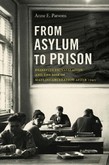
To many, asylums are a relic of a bygone era. State governments took steps between 1950 and 1990 to minimize the involuntary confinement of people in psychiatric hospitals, and many mental health facilities closed down. Yet, as Anne Parsons reveals, the asylum did not die during deinstitutionalization. Instead, it returned in the modern prison ......
Dillon J. Carroll's Invisible Wounds examines the effects of military service, particularly combat, on the psyches and emotional well-being of Civil War soldiers-Black and white, North and South. Soldiers faced harsh military discipline, arduous marches, poor rations, debilitating diseases, and the terror of battle, all of which took a severe ......