Classroom Management Techniques for Students With ADHD provides educators with practical, effective methods for teaching students with Attention Deficit Hyperactivity Disorder. The authors offer invaluable guidance to help educators understand: -The characteristics of students with ADHD -The legal requirements for identifying students with ADHD -The process for diagnosing students and identifying treatment options -The evaluation procedures used for student assessment The book also covers effective strategies for classroom management, behavioural intervention, and academic instruction.
"The book is easy to read and contains strategies that beginning teachers will find helpful." -Sylvia Rockwell, Professor of Special Education, St. Leo University Author, You Can't Make Me! "A needed addition to the professional library of teachers who are challenged to meet the needs of students with ADHD." -Mary Reeve, Director of Special Education Gallup-McKinley County Public Schools, Gallup, NM Understand key concepts of ADHD to effectively manage your classroom! Working with students who have been diagnosed with Attention Deficit Hyperactivity Disorder (ADHD) presents unique challenges for educators. This valuable resource provides general and special education professionals with an understanding of ADHD and appropriate strategies to help children participate in the classroom experience and develop to their fullest potential. Aligned with the reauthorization of IDEA 2004, Classroom Management Techniques for Students With ADHD presents practical, nuts-and-bolts methods and a concise glossary for teaching and working with this unique group of students. The authors, recognized experts in the field, succinctly cover: The characteristics of ADHD The processes and legal requirements for identifying students with ADHD Understanding different treatment options and how students are diagnosed Instructional techniques and behavioral interventions Classroom accommodations and modifications Use this indispensable text to help you work effectively with parents, other professionals, and the outside community in fostering successful learning experiences for students with ADHD.
'General education teachers need more information and guidance on how to effectively work with students with emotional and behavioral disorders. This book provides an overview of the various needs and characteristics that many of these students display.'A'Emily Wilmes, Emotional Behavioral Disorder TeacherRoosevelt Elementary School, Mankato, MNEffective methods for teaching students with emotional and behavioral disorders!Written by experts in the field of special education, this guide provides a clear and comprehensive overview of emotional and behavioral disorders (EBD), along with practical guidelines for working with students diagnosed with EBD. Aligned with the reauthorization of IDEA 2004, these effective and culturally sensitive techniques help teachers understand and distinguish typical behavior from the symptoms, problems, and characteristics of EBD, such as moodiness, argumentative behavior, anger, difficulty interacting with peers, refusing to share, and inability or unwillingness to take responsibility.Ideal for general and special education teachers, this step-by-step resource includes references, a glossary, and information about:Positive reinforcements and effective instructional interventions for the classroom Federal regulations related to students with EBD Ways to promote healthy social interactions Classroom management strategies for specific disorders Classroom Management for Students With Emotional and Behavioral Disorders provides invaluable guidance for redirecting students toward more appropriate behaviors, building important social skills, and establishing a positive classroom climate for all learners.
'General education teachers need more information and guidance on how to effectively work with students with emotional and behavioral disorders. This book provides an overview of the various needs and characteristics that many of these students display.'A'Emily Wilmes, Emotional Behavioral Disorder TeacherRoosevelt Elementary School, Mankato, MNEffective methods for teaching students with emotional and behavioral disorders!Written by experts in the field of special education, this guide provides a clear and comprehensive overview of emotional and behavioral disorders (EBD), along with practical guidelines for working with students diagnosed with EBD. Aligned with the reauthorization of IDEA 2004, these effective and culturally sensitive techniques help teachers understand and distinguish typical behavior from the symptoms, problems, and characteristics of EBD, such as moodiness, argumentative behavior, anger, difficulty interacting with peers, refusing to share, and inability or unwillingness to take responsibility.Ideal for general and special education teachers, this step-by-step resource includes references, a glossary, and information about:Positive reinforcements and effective instructional interventions for the classroom Federal regulations related to students with EBD Ways to promote healthy social interactions Classroom management strategies for specific disorders Classroom Management for Students With Emotional and Behavioral Disorders provides invaluable guidance for redirecting students toward more appropriate behaviors, building important social skills, and establishing a positive classroom climate for all learners.
Showcasing assessment practices that can help teachers plan effective instruction, this book addresses the real-world complexities of teaching literacy in grades K-8. It presents approaches that examine learning processes as well as learning products, that yield information on how the learning environment can be improved.
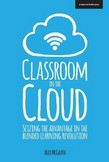
This book aims to focus the minds of teachers and school leaders to take advantage of the opportunities presented by the online revolution and the emergence of blended learning. The author, who is Head of King's Ely Senior, argues that with planning and co-ordination, huge benefits can be reaped from new ways of learning, complementing the ......
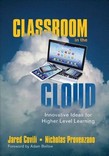
Making the most of the digital age in education just got easier. With cloud computing, students can connect with teachers, educators can connect with colleagues, and opportunities for meaningful collaboration can grow exponentially. In this easy-to-use primer, the author of bestseller Going Google teams up with Twitter's The Nerdy Teacher to demonstrate what cloud-based instruction can mean for teachers and students-and how it can work for your school. The book includes Practical tools for integrating cloud computing into the curriculum Student and teacher testimonies detailing examples of cloud-based instruction in action Chapters on storing, communicating, sharing, and creating Strategies for ensuring safety and security for students and information
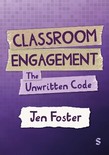
What they didn't tell you about how to increase engagement, decrease unsettled behaviour and improve learning. Teachers have long been taught to use different strategies: one for behaviour; one for learning. Start with control to get their attention, then move on to the learning. This isn't working. It's time for a change. Jen Foster brings a ......