Gathers almost twenty years of New York City's smartest and most explosive-as well as hard to find- writing, providing an indispensable archive of one of the most exciting artistic scenes in U.S. History.
Religion, Politics, and Morality in Contemporary America
Provides a look at the role of religion in conservative politics in modern America. The author reveals the profoundly religious nature of contemporary conservatism, offering an intriguing look at the social history of moral politics. This book is useful to understand the American political landscape.
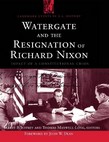
Thirty years have passed since President Nixon's resignation, yet, the impact of the "Watergate" scandal continues to affect the institutional power of the American chief executive. Through documents and analytical essays, this timely collection places the Watergate crisis in perspective, providing a cogent and balanced analysis of the development and consequences of an event that has overshadowed Nixon's legacy and permanently altered the country's perceptions of politics. Watergate threatened the very constitutional order of the nation, and continues to this day to affect the public's attitudes about the presidency, America's political culture, the mass media's coverage of politics, the separation of powers, and the investigation of high-level misconduct in the federal government. Twelve topical essays written by presidential scholars cover these themes and examine the impact of the crisis over time. Primary source materials, including transcripts from oral interviews, Nixon's speeches, letters, the infamous Watergate tapes, excerpts from testimony and hearings in Congress, the proposed articles of impeachment, and more are all put in context with explanatory headnotes.
New Buffalo was one of the most successful of the collective farms that dotted the country in the 1960s and 1970s. Arthur Kopecky's journals take us back to that era as he and his comrades wend their way to the area near Taos, New Mexico, where they encounter magic, wisdom, a mix of people, the Peyote Church, planting, and hard winters. The ......
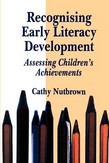
This text examines the many purposes of assessment in early literacy development. Issues in early literacy assessment, assessment material, the purposes of literacy assessment, government policy, practice in schools, baseline assessment of literacy, and the need for new research measures of early literacy are all recurrent themes in the book. The author reviews and discusses three decades of policy and practice in assessing literacy development in the years three to five - from recognizing in the late 1960s that literacy in these years exists, to proposals in 1997 for official assessment of literacy at five years. "Recognising Early Literacy Development" reviews and evaluates a large number of existing texts and assessment instruments, and some LEA baseline assessment documents. The author considers the theoretical, political and educational purposes of literacy assessment, and discusses assessment practices as found in an original survey of assessment practice in one LEA. She explores the need for a new approach to measurement for research, which is more attuned to assessment for teaching, and the importance of appropriate approaches to finding out what young children know about literacy. The book includes the Sheffield Early Literacy Development Profile.
Politics, Discourse and the Dilemma of Authenticity
In the aftermath of the Iranian Revolution of 1979, secularist intellectuals became a much-forgotten group. As the new revolutionary elite consolidated, secularists were marginalized, stigmatized, and accused of being ""Westoxicated"" and of ""propagating Western values."" And yet, Nabavi shows for the first time that the secularists played an ......
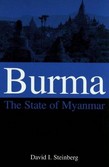
Long isolated by rigid military rule, Burma, or Myanmar, is one of the least known, significantly sized states in the world. This title sheds light on this reclusive state by exploring issues of authority and legitimacy in its politics, economics, social structure, and culture since the popular uprising and military coup of 1988.
How racist is society today? How have the patterns of discrimination and disadvantage changed over the past 20 years? This text explores the nature and extent of racial discrimination, and the successes and failures of equal opportunities programmes. Incisive analyses focus upon the operation of institutional racism in immigration law, housing, social work, employment, training and the criminal justice system. They explore changes over time and examine the interwoven strands of `race', class and gender that form the pattern of disadvantage. This provides a context for a critical discussion of the formulation, implementation and outcomes of equal opportunities policies in the local state and the private sector. The authors investigate both `liberal' and `radical' approaches to equal opportunities in the area of `race'. They analyze the political and ideological contentions that influence the ways in which issues are defined and support is mobilized. They also highlight the shortcomings of current legislation.