After Texas joined the United States in 1845, Texas began to form its own identity. This new identity centered on the rise of the Texas cattle industry and the growing legend of the Texas cowboy.
History is full of unsolved crimes, mysterious disappearances, and strange sightings. Readers will discover some well-known mysteries in history--including Amelia Earhart, Big Foot, and the Salem Witch Trials--in this fascinating nonfiction book.
Learn about women's fight for equality in this enthralling book that features highlights on some of the most well-known feminists and suffragists of all time, including Elizabeth Cady Stanton, Susan B. Anthony, and Lucretia Mott.
Children can take a trip around the entire country in this beautiful, wordless book. With vibrant, detailed images of the various landscapes in America, children will be engaged and inspired to create their own story!
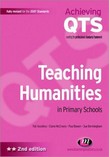
This book supports primary trainees in their learning and teaching approach to the core humanities subjects: geography, history and religion. It promotes an integrated approach to these subject areas and encourages trainees to reflect on the links between subjects, across the curriculum from the Early Years Foundation Stage through to Key Stage 2. This edition has been updated to incorporate the revised Professional Standards for the Award of QTS and addresses key initiatives such as Excellence and Enjoyment, Every Child Matters and the Primary National Strategy for Literacy and Mathematics.
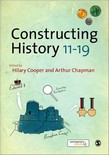
This book describes and exemplifies strategies for teaching history across the 11-19 age range in rigorous and enjoyable ways. It illustrates active learning approaches embedded in pupil-led enquiries, through detailed case studies which involve students in planning and carrying out historical enquiries, creating accounts and presenting them to audiences, in ways that develop increasingly sophisticated historical thinking. The case studies took place in a number of different localities and show how practising teachers worked with pupils during each year from Y6/7 to Y 13 to initiate, plan and implement enquiries and to present their findings in a variety of ways. Each case study is a practical example which teachers can use as a model and modify for their own contexts, showing how independent learning linked to group collaboration and peer assessment can enhance learning. Social constructivist theories of learning applied to historical thinking underpin the book, with particular emphasis on links between personalised and collaborative learning and e-learning.
This book describes and exemplifies strategies for teaching history across the 11-19 age range in rigorous and enjoyable ways. It illustrates active learning approaches embedded in pupil-led enquiries, through detailed case studies which involve students in planning and carrying out historical enquiries, creating accounts and presenting them to audiences, in ways that develop increasingly sophisticated historical thinking. The case studies took place in a number of different localities and show how practising teachers worked with pupils during each year from Y6/7 to Y 13 to initiate, plan and implement enquiries and to present their findings in a variety of ways. Each case study is a practical example which teachers can use as a model and modify for their own contexts, showing how independent learning linked to group collaboration and peer assessment can enhance learning. Social constructivist theories of learning applied to historical thinking underpin the book, with particular emphasis on links between personalised and collaborative learning and e-learning.
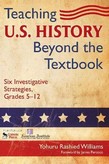
"Williams' passion for helping teachers look at content in new ways is precisely what we need. This book challenges educators to think outside the box." -Dennis Denenberg, Professor Emeritus Millersville University "This is not your typical social studies methods book. Williams' highly readable prose shows a deep respect for the marriage of American history content and teaching." -Elaine Wrisley Reed, Retired Executive Director National Council for History Education Turn your students into history detectives with these innovative teaching strategies! Written by a history educator, this exciting guide provides a unique approach that makes it easy for middle and high school teachers to engage students' critical thinking in history and social studies. Using a "CSI approach" to history, the author's six powerful strategies tap into students' natural curiosity and investigative instincts. Students become detectives of the past as they ghost-hunt in their neighborhoods, solve historical crime scenes, prepare arguments for famous court cases, and more. Each ready-to-use technique: Demonstrates how students can use primary and secondary sources to solve historical mysteries Includes sample lessons and case studies for Grades 5-12 Aligns with national standards, making the book useful for both teachers and curriculum developers Features review questions, reflections, and Web and print resources in every chapter for further reading Incorporate these strategies into your classroom and watch as students discover just how thrilling and spine-chilling history can be!