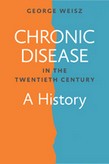
Long and recurring illnesses have burdened sick people and their doctors since ancient times, but until recently the concept of chronic disease'' had limited significance. Even lingering diseases like tuberculosis, a leading cause of mortality, did not inspire dedicated public health activities until the later decades of the nineteenth century, ......
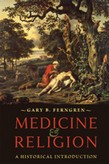
Medicine and Religion is the first book to comprehensively examine the relationship between medicine and religion in the Western tradition from ancient times to the modern era. Beginning with the earliest attempts to heal the body and account for the meaning of illness in the ancient Near East, historian Gary B Ferngren describes how the ......
In The Story Within, authors share powerful experiences of living with genetic disorders. Their stories illustrate the complexities involved in making decisions about genetic diseases: whether to be tested, who to tell, whether to have children, and whether and how to treat children medically, if treatment is available. More broadly, they ......
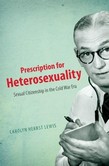
In this lively and engaging work, Carolyn Lewis explores how medical practitioners, especially family physicians, situated themselves as the guardians of Americans' sexual well-being during the early years of the Cold War. She argues that many doctors viewed their patients' sexual habits as more than an issue of personal health. They believed that ......
Malaria sickens hundreds of millions of people -- and kills one to three million -- each year. Despite massive efforts to eradicate the disease, it remains a major public health problem in poorer tropical regions. But malaria has not always been concentrated in tropical areas. How did other regions control malaria and why does the disease still ......
Hemophilia and the Unintended Consequences of Medical Progress
By the 1970s, a therapeutic revolution, decades in the making, had transformed hemophilia from an obscure hereditary malady into a manageable bleeding disorder. Yet the glory of this achievement was short lived. The same treatments that delivered some normalcy to the lives of persons with hemophilia brought unexpectedly fatal results in the 1980s ......
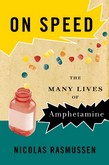
Whatever their street names at the moment, amphetamines have been an insistent force in American life since they were marketed as the original antidepressants in the 1930s. This is the story of their rise, their fall, and their surprising resurgence.
In the autumn of 2002 in southern China, a previously unknown virus jumped the species barrier from animal to man and sparked the first global epidemic of the new century. The disease sped along the air routes of a globalized world, spreading within months to thirty-one countries on every continent.
''The chapters in this volume painfully drive home the point that certainly as far as Germany is concerned, the lessons of the Third Reich have not yet been learned . . . These significant attempts by younger recruits to the larger medical establishment to change things through eye-opening reflection and analysis, however uncomfortable, need ......