How Railroads and Citrus Transformed Southern California
As Southern California recovered from the collapse of the cattle industry in the 1860s, the arrival of railroads-attacked by newspapers as the greedy "octopus"-and the expansion of citrus agriculture transformed the struggling region into a vast, idealized, and prosperous garden. New groves of the latest citrus varieties and new towns like ......
Vietnam and the Growing Challenge from Non-traditional Maritime Threats
While the South China Sea dispute remains Vietnam's top security concern, the country also confronts a variety of growing non-traditional threats, such as illegal fishing, maritime violence, smuggling, ecological degradation and climate change. These issues adversely affect Vietnam's external relations, socio-economic development, marine ......
Florida-land of perpetual sunshine, open spaces, and endless blue skies perfect for flying. Blimps, hot air balloons, bi-wings, jets, space shuttles-you name it: if you can fly it, you can fly it here, and many aviators have. From the launch of Amelia Earhart's final flight to the worlds first scheduled airplane flight, important events in ......
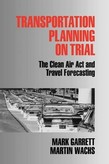
Transportation Planning on trial interprets and explains the meaning of the transportation planning proc ess in the United States today, and focuses on the inter-rel ations between federal legislation, the judicial process and transportation planning. '
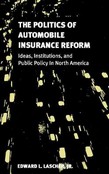
Ideas, Institutions, and Public Policy in North America
American and Canadian governments deal with rising auto insurance rates in different ways, a difference attribute to variances in political pressure. This title argues two additional factors such as: the importance of politicians' beliefs about the potential success of various solutions and the role of governmental institutions.
After a decade-long shift in emphasis in regional transportation planning, steadily impacted by politics and planning commissions, environmental impact studies, and national, state and local legislation, the authors interpret and explain the meaning of the transportation planning process in the United States today. The book focuses on the interrelations between federal legislation, the judicial process and transportation planning, particularly in light of two important landmark federal acts - The Clean Air Act of 1990 and the Intermodal Surface Transportation Efficiency Act of 1991. The repercussions of these Acts have caused planners throughout the US to be much more circumspect about commitments they include in transportation plans and travel forecasting.
This edition provides an up-to-date overview of the changes in legislation and policy of transportation planning that have occurred since the 1980s. The book combines historical material, description of travel at aggregate and disaggregate levels, methodology and policy descriptions.