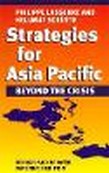
This text uses in-depth data from a range of different countries to provide a framework for understanding international business dynamics. The authors and their collaborators extend Porter's theory of industry-based global competition to explore competition between firms at three levels: the structural (industry/economy); the regional (diversity ......
The culmination of two decades of research and professional experience, this is a guide to doing business in South-East Asia. It focuses on regional characteristics, the region's role in the world economy, and significant features of market and consumer behaviour.
This book re-examines management theory `after Globalization'. Combining key names and studies from across the world, it explores the local realities that resist universal theories and that permeate the daily lives of practising managers. The book provides a comprehensive and critical reflection on the widely documented phenomenon of ......
A guide for western companies seeking to maximize their marketing success in Asia, which accounts for a quarter of the world economy and half of the world's population, but where cultural differences strongly influence consumer behaviour.
Multinational Managers and Developing Country Concerns
This volume examines a key social issue currently facing the world: the misallocation of resources and opportunities among its population. It covers not only the development gap between industrialised and developing countries, but also the widening gap within the developing countries themselves.
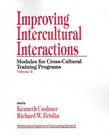
Modules for Cross-Cultural Training Programs, Volume 2
This volume addresses new topics specific to various types of intercultural experience including ethics, ethnocultural identification, conflict and mediation across cultures, empathy and cross-cultural communication. '
Analysing Their Structures and Human Resource Practices
This volume presents an authoritative database on the workings of organizations in the United States. It describes the National Organizations Study, the first national survey of organizations in the US using a statistically representative sample. As well as outlining the study and the major conclusions it reaches, the book also looks at specific employment practices - hiring, training, promotion, performance measurement, benefit packages and contingent work - and how they compare between different businesses and business sectors. Differential treatment of employees according to ethnicity and gender is examined as part of the analysis of these topics.