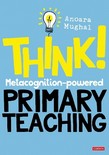
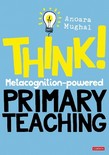
The perfect guide to help you embed metacognitive approaches to your teaching. What is metacognition and how can you use it in your teaching? Metacognition - being aware of our own ways of thinking - is popular in education, but it is not always obvious how it links to teaching practice and how to teach it explicitly. This book translates meaningful concepts from research literature not only into practical strategies to try in your classroom but also gives you the opportunity to reflect on metacognitive strategies that you already use. Key topics include: Metacognitive strategies in a range of subjects, including English and mathematics Dismantling metacognitive misconceptions How to use metacognition to improve test performance The importance of developing a growth mindset How to develop self-regulation in the classroom
The perfect guide to help you embed metacognitive approaches to your teaching. What is metacognition and how can you use it in your teaching? Metacognition - being aware of our own ways of thinking - is popular in education, but it is not always obvious how it links to teaching practice and how to teach it explicitly. This book translates meaningful concepts from research literature not only into practical strategies to try in your classroom but also gives you the opportunity to reflect on metacognitive strategies that you already use. Key topics include: Metacognitive strategies in a range of subjects, including English and mathematics Dismantling metacognitive misconceptions How to use metacognition to improve test performance The importance of developing a growth mindset How to develop self-regulation in the classroom
Do you want to help your students develop their social and emotional skills? Do you want to help build a whole school approach to mindfulness and wellbeing? The Mindful Teacher's Toolkit gives you clear directions to develop mindful practices and ideas for how to integrate these into your teaching. The book contains detailed guidance on how to work with different age groups, from 4-18 years, and looks at whole-school approaches through specific subject areas and implementation strategies. Designed so that you can dip into each chapter, all of the activities are adaptable by language, tone and content so that you can apply and personalise them to your teaching. The combination of expert advice, teaching tips, reflections, activities and real-life examples provides you with everything you need to be able to develop your own mindful classroom and contribute to improving wellbeing in your school community.
Do you want to help your students develop their social and emotional skills? Do you want to help build a whole school approach to mindfulness and wellbeing? The Mindful Teacher's Toolkit gives you clear directions to develop mindful practices and ideas for how to integrate these into your teaching. The book contains detailed guidance on how to work with different age groups, from 4-18 years, and looks at whole-school approaches through specific subject areas and implementation strategies. Designed so that you can dip into each chapter, all of the activities are adaptable by language, tone and content so that you can apply and personalise them to your teaching. The combination of expert advice, teaching tips, reflections, activities and real-life examples provides you with everything you need to be able to develop your own mindful classroom and contribute to improving wellbeing in your school community.
How do teachers develop their understanding of the foundation principles of assessment , stay up to date with the latest classroom approaches and have the confidence to evaluate and question the effectiveness of new methods? This professional resource for teachers supports them to understand the what, why and how of assessment. It provides key knowledge on the types and purposes of assessment and explores key themes such as validity, reliability and fairness. It explores assessment in practice offering practical support for busy teachers and takes an in-depth look at how qualifications are designed and developed and how examinations are marked, graded and regulated.
How do teachers develop their understanding of the foundation principles of assessment , stay up to date with the latest classroom approaches and have the confidence to evaluate and question the effectiveness of new methods? This professional resource for teachers supports them to understand the what, why and how of assessment. It provides key knowledge on the types and purposes of assessment and explores key themes such as validity, reliability and fairness. It explores assessment in practice offering practical support for busy teachers and takes an in-depth look at how qualifications are designed and developed and how examinations are marked, graded and regulated.
Best-selling author and qualified early years teacher Sue Cowley looks at the way that behavior develops during the earliest years of a child's life, exploring how babies and young children learn behaviors and move from co-regulation to self-regulation. Learning Behaviors gives practical advice about how to support children in learning all ......