This guide provides educators and administrators with 21 quality tools for solving problems in the school environment and beyond. Each of the procedures is clearly described and has been adapted for use at four levels within the school system: district, school, classroom and home.
In recent years, students and practitioners of educational administration have expressed concern over the increasing number and complexity of ethical dilemmas confronting school leaders. The authors of this book examine various university programmes implemented by 42 educational administration departments, designed to discover how to equip students to deal with such challenges. Ethics in Educational Leadership Programs will prove invaluable reading for those concerned with the nature of ethics and values in school administration.
In recent years, students and practitioners of educational administration have expressed concern over the increasing number and complexity of ethical dilemmas confronting school leaders. The authors of this book examine various university programmes implemented by 42 educational administration departments, designed to discover how to equip students to deal with such challenges. Ethics in Educational Leadership Programs will prove invaluable reading for those concerned with the nature of ethics and values in school administration.
This volume helps educational administrators develop the skills necessary to face the challenges of new leadership models and educational policies. The authors, capitalizing on their considerable experience in education, use case studies to facilitate discussion of critical issues in educational administration. A practical guide to making schools dynamic, fair and caring places for both educators and students.
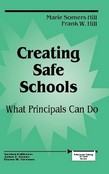
This practical volume explores the increasing problem of violence, associated with gangs, weapons and drugs, within the school environment. The authors provide much-needed guidelines for principals seeking to ease fears experienced by both students and teachers and to improve safety in schools. Issues covered include: the involvement of students, parents and the wider community; designing secure buildings and grounds; policy implementation; and collaborative planning.
This practical volume explores the increasing problem of violence, associated with gangs, weapons and drugs, within the school environment. The authors provide much-needed guidelines for principals seeking to ease fears experienced by both students and teachers and to improve safety in schools. Issues covered include: the involvement of students, parents and the wider community; designing secure buildings and grounds; policy implementation; and collaborative planning.
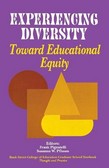
This volume provides a penetrating look at reform efforts that affirm equal opportunity yet at the same time continue to maintain structures that preserve inequity. Contributors examine ways to achieve greater educational equity and, through inquiry and exploration, offer several paths for thought and action.
This volume provides school governors with helpful perspectives drawn from research as well as practical experience. It also offers specific suggestions on how to ensure that schools are operating as effectively as possible, helping governors to develop the appropriate roles and responsibilities that will nurture quality and excellence in school organizations.
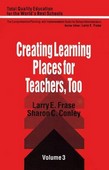
This book argues that if schools are to be successful learning places, the needs of teachers must be placed on a par with those of the students. The authors show how Total Quality Education schools address this problem, making learning an ongoing experience for both teachers and students.