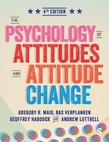
This book explores what attitudes are and how they are shaped, how they influence behaviour, and the scientific methods that are used to understand attitudes and how they change. Introducing the fundamental concepts for understanding attitudes, with a balanced consideration of all approaches, the book pulls together many diverse threads from ......
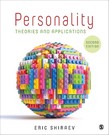
Personality: Theories and Applications by Eric Shiraev presents a comprehensive and engaging exploration of the interdisciplinary and cross-cultural study of personality. The new Second Edition incorporates the latest findings from the fields of behavioral economics and neuroscience while offering expanded coverage of contemporary issues.
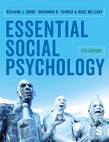
Essential Social Psychology introduces you to the core topics in Social Psychology, covering its history, methods, and approaches, as well as helping you grasp key topics such as social influence, group processes, prejudice, friendship, affiliation, and love. This new edition has a strong emphasis on real-world applications, for example exploring how social psychology was applied during the Covid-19 pandemic. It has been updated to include more in-depth coverage of contemporary topics such as social media, the digital world, as well as social justice topics, such as LGBTQ+ issues in psychology. This book is ideal for undergraduate students of social psychology. Richard Crisp is Professor of Social Psychology at Durham University. Rhiannon Turner is Professor of Social Psychology at Queen's University Belfast. Rose Meleady is an Associate Professor in Psychology at the University of East Anglia.
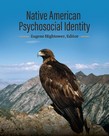
Native American Psychosocial Identity explores the psychosocial identities of Native Americans - American Indians, Canadian First Nations, and Native Hawaiians from an interdisciplinary perspective. Written by Native American studies scholars, the book discusses the impact of the genocide perpetuated on Native Americans, including wars, disease, ......
What do we know about identity processes and how does this relate to the world we live in? This book answers this question by considering the contemporary major developments in identity process theory - a framework founded by the author in the 1980s for understanding the coping strategies used when identity is threatened. With a focus on issues ranging from group conflict to dementia and mental illness, as well as contemporary events and phenomena such as the rise of the Digital Era and the COVID-19 pandemic, Identity explores how building and defending a unique identity motivates our thoughts, feelings, and actions. Breakwell brings together ideas of personal identity and social identity to show us how they intersect with one another. This book is essential reading for psychology students and researchers, and those interested in the concept of identity in the social sciences more broadly. Dame Glynis M. Breakwell is Professor Emeritus at the University of Bath and has Visiting Professorships at Imperial College, London and University of Surrey.
What do we know about identity processes and how does this relate to the world we live in? This book answers this question by considering the contemporary major developments in identity process theory - a framework founded by the author in the 1980s for understanding the coping strategies used when identity is threatened. With a focus on issues ranging from group conflict to dementia and mental illness, as well as contemporary events and phenomena such as the rise of the Digital Era and the COVID-19 pandemic, Identity explores how building and defending a unique identity motivates our thoughts, feelings, and actions. Breakwell brings together ideas of personal identity and social identity to show us how they intersect with one another. This book is essential reading for psychology students and researchers, and those interested in the concept of identity in the social sciences more broadly. Dame Glynis M. Breakwell is Professor Emeritus at the University of Bath and has Visiting Professorships at Imperial College, London and University of Surrey.
"A practical guide for gaining and maintaining strength through the trials and tribulations of leading and living." Adam Grant, #1 New York Times bestselling author of Think Again and host of the TED podcast WorkLife "Fortunately, there is more than one road to resilience. This clearly-written guide maps out how any worker at any level can ......
What does it mean to have a personality? Is emotional intelligence a kind of intelligence? Learn the answers to these questions, as well as everything you need to know about personality, intelligence, and individual differences in the third edition of this clear and accessible textbook. From natural selection to intelligence tests, and from personality disorders to the concept of IQ, the panoramic coverage of this field makes this textbook essential reading for any psychology student on a personality and individual differences course. New to this edition: * Increased coverage of intelligence * 'Key Theorists' feature * Discussion questions moved to end-of-chapter to enable in-text assessment Nick Haslam is Professor of Psychology at the University of Melbourne, Australia. Luke Smillie is an Associate Professor of Psychology at the University of Melbourne and director of the Personality Processes Lab.
Mistrust in the 21st century is a major societal concern. This book: - explores social psychological processes that explain why and how mistrust develops - considers the effects that it has upon those who are mistrustful and those who are mistrusted - offers a model of mistrust in individuals and communities which is based on theories of identity and social representation. With examples ranging from the the 1872 US presidential election to the Trump era, it also considers Brexit, and has a significant focus on the Covid-19 pandemic. By looking at the role of social media, and how mistrust can be weaponised this book interrogates its place in our society. Ultimately, whilst feeling mistrust is part of being human this book warns that we ignore mistrust at our peril. Dame Glynis M. Breakwell is Professor Emeritus at the University of Bath in the Department of Psychology and has Visiting Professorships at Imperial College, London, University of Surrey and Nottingham Trent University.