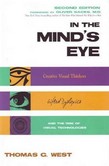
Creative Visual Thinkers, Gifted Dyslexics, and the Rise of Visual Technologies
Covering eleven portraits of famous individuals with learning difficulties (including Albert Einstein and Thomas Edison), this title provides brief profiles of two dyslexic scientists known for their ability to generate, in quite different fields, powerful but unexpected innovations and discoveries: William J Dreyer and John R (Jack) Horner.
Building on pioneering animal studies, and making use of noninvasive techniques for studying the human brain, research on the human amygdala has blossomed over the years. This volume brings together leading authorities to synthesize the knowledge on the amygdala and its role in psychological function and dysfunction.
Offers guidance for using neurobiological methods in the study of human social behavior, personality, and affect. This book provides various chapters that cover neuroimaging techniques, genetic measurement, hormonal methods, lesion studies, facial electromyography, autonomic nervous system responses, and modeling based on neural networks.
A norm-referenced communication assessment tool, this work focuses specifically on measuring young children's motor control and identifying impairments that may lead to a speech delay or disorder.
Presents the legal and clinical foundations of neuropsychology practice in criminal forensic cases. This book reviews the case law and constitutional principles and provides guidance for conducting assessments that address legal standards, such as competency to confess, competency to proceed, criminal responsibility, and sentencing concerns.
The human brain is the most complex object in the universe. This book on the science of the brain explores the findings on a host of topics: Consciousness, unconsciousness, and brain death; Learning, memory, and role of genes; Motivation, aggression, and the range of emotions; The plasticity of the growing brain; and Mental illness and treatment.
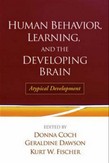
Examining brain-behavior relationships in atypically developing children, this volume integrates theories and data from multiple disciplines. It presents research on specific clinical problems, including autism, Williams syndrome, learning and language disabilities, ADHD, and issues facing infants of diabetic mothers.
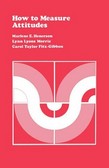
This edition of How to Measure Attitudes draws on examples from a broader range of disciplines and professions than the first edition. It helps novice evaluators with the difficult task of assessing whether the affective and attitude objectives of a programme have been met. The most commonly used attitude measures are described and sources of existing measurement instruments are listed. If no existing instrument is appropriate, step-by-step instructions are given enabling readers to construct their own. Methods for analysing and reporting attitude data are also included.
What the Science Shows, and What We Should Do about It
While knowledge on substance abuse and addictions is expanding rapidly, clinical practice still lags behind. This book incorporates developmental, neurobiological, genetic, behavioral, and social-environmental perspectives, and talks, among the other things, about the nature and causes of alcohol and other drug problems.