''Alcohol Problems'' provides a practical working handbook for all those who counsel people with drinking problems. It outlines the theoretical origins of harmful drinking; describes the nature and type of difficulty that the drinker's personality presents; and offers practical advice to help the drinker come to terms with the issue. This ......
This volume explores the new possibilities for the therapeutic process of adopting a social constructionist perspective. The first part of the book looks at the theoretical basis for social constructionist therapy, including the implications for client-therapist relationships. Authors then explore various approaches in practice, including "irreverant therapy", "the not-knowing therapist", the creative significance of difference, and the role of reflexivity. A number of case-studies are presented. The final section presents a mixture of overview, self-critique and agenda for the future. The text is suitable for therapists, counsellors, clinical psychologists and those in helping professions providing therapeutic services to their clients.
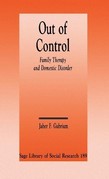
Counselling techniques that can help families regain control and causes of families breaking up are among the topics explored in this ethnographic account of therapeutic sessions. Two very different views of what a family is and how it becomes `out of control' emerge, resulting in vastly different therapeutic approaches. Gubrium compares two family counselling facilities - a community outpatient centre and a private family-focused psychiatric hospital - which have radically different concepts of the family. One setting examines a family's system including hidden structures, power relations, language and interaction as clues to the family's dysfunction. The other is concerned with affective relationships and deep emotions, hoping to use these bonds to connect members of troubled families.
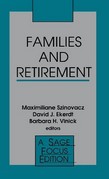
The individual nature of the transition from being a member of the workforce to being retired has been the focus of previous books on retirement. In contrast, this book explores the impact of retirement upon family relationships and functioning. Among the topics examined are: gender and ethnic differences; the roles of children and siblings; and the multiple changes retirement creates in marital interaction. The contributors also discuss various theoretical models, analyses of research and methodological problems associated with studying families with retired members, and present new data on these issues.
The individual nature of the transition from being a member of the workforce to being retired has been the focus of previous books on retirement. In contrast, this book explores the impact of retirement upon family relationships and functioning. Among the topics examined are: gender and ethnic differences; the roles of children and siblings; and the multiple changes retirement creates in marital interaction. The contributors also discuss various theoretical models, analyses of research and methodological problems associated with studying families with retired members, and present new data on these issues.
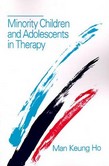
This comprehensive examination of therapy with children from ethnic minorities introduces a culturally-relevant theoretical framework to aid appropriate assessment and therapeutic guidelines for work with such clients. After an introductory discussion of principles to be considered with ethnic minority children and adolescents, the author systematically applies these principles to therapy. Distinctive cultural values of child development and family functioning of each ethnic group discussed are explored. To illustrate cultural-specific intervention strategies, Ho includes several case vignettes.
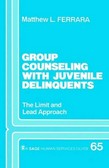
A successful group treatment for juvenile delinquents which combines traditional and contemporary influences is described in this volume. Ferrara discusses the characteristics of delinquents relevant to understanding the value of group approaches, gives practical advice for conducting group sessions and provides a workbook for use directly with group members. Scenarios for role play and a test for evaluating the group's effectiveness for individual members are also included.
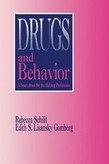
This is a comprehensive textbook in substance abuse education for the caring professions. Relevant psychopharmacology and central nervous system data are presented in language accessible to readers lacking a scientific background. Explanatory theories are provided and the effects of drugs on human behaviour explained. Patterns of drug abuse and the appropriate treatment are related to age, ethnicity and gender. The authors describe treatment approaches such as self-help, medication, individual, group and family. Finally, they deal with contemporary treatment controversies and prevention.
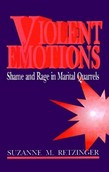
"Violent Emotions" investigates the role of alienation and shame as the source of repetitious cycles of conflict. Theories and research from large-scale conflict, marital dispute and communication processes are reviewed and provide a background for the author's new integrative theory. This theory - with its research and practical implications - is applied to four case studies of marital quarrels which advance understanding of conflict escalation and resolution. The data generated is extremely useful for preventive and predictive measures in early marital problems and provides insight into the dynamics of family and other forms of violence.