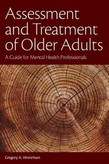
Shows mental health providers how to expand their practice in order to treat older adults. Chapters describe tools and techniques for assessing and treating common conditions that practitioners encounter when working with older adults, including depression, anxiety, cognitive impairment, and prescription drug misuse.
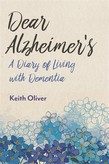
How to live a full and rewarding life after a dementia diagnosis.
Keith Oliver was diagnosed with young onset dementia at the age of 55. Unaware at the time that dementia could affect people of this age, Keith set out to increase public awareness of the condition and dispel the myths about the illness. Using a ......
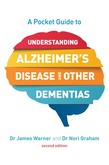
If you or a loved one are worried about Alzheimer's disease or other types of dementia, this pocket guide will help you to better understand the conditions, and how they are diagnosed and treated. Written by leading dementia experts, this book provides clear and concise information on:
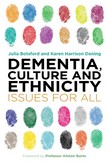
With contributions from experienced dementia researchers and care professionals, this book examines the impact of cultural and ethnic factors on the experience of dementia, both in general terms and in relation to specific ethnic minority communities. Drawing together evidence-based research and expert practitioners' experiences, this book ......
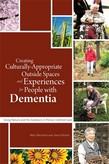
Using Nature and the Outdoors in Person-Centred Care
Demonstrating that it is essential to be sensitive to the cultural backgrounds of people with dementia in order to provide truly person-centred care, this book shows that it is possible to create culturally-appropriate outdoor spaces and experiences that resonate with people with dementia on a fundamental level and are a source of comfort and ......
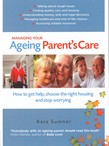
How to get help, choose the right housing and stop worrying
Today, more than two million Australians are over 70 years of age; by the year 2050 seniors are likely to make up almost 30 percent of the population. The implications of this are not just political; they are very personal. At some stage in life, most of us will help an elderly friend, parent, partner...
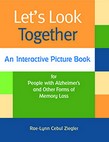
Wake up someone s brain with every turn of the page in this delightfully engaging resource. Featuring evocative images of children, this picture book for adults is to be shared between a family (or professional) caregiver and a person with memory loss to encourage meaningful emotional connections and conversations through therapeutic brain ......
Maintaining a connection to nature is increasingly recognised as an important component of caring for a person with dementia. The benefits of connecting the subjective experience of dementia sufferers with their physical environment include sensory stimulation and enhanced cognitive, psychological and physical well-being, as well as improved ......
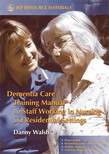
This accessible, interactive resource book encourages front-line staff working with dementia sufferers in nursing and residential settings to examine their working practice and modify it to where appropriate to meet best practice guidelines.Packed with photocopiable training exercises, discussion points and questions to prompt care workers to ......