Understanding and Responding to the Trauma of Acquaintance Rape
Acquaintance rape is a serious social problem, yet it remains widely misunderstood by the general public and by practitioners working with both survivors and perpetrators. The concept `rape' is generally thought of in terms of rape by a stranger; acquaintance rape survivors are more likely to be blamed for the assault than stranger rape survivors. This seriously impacts upon what survivors do after the assault, on the services survivors receive, on the prosecution of perpetrators and on efforts to prevent the problem. Intimate Betrayal provides much-needed information on the subject - including practical information directed specifically at practitioners working with survivors - with sensitive discussions that include survivors' accounts.
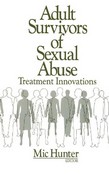
The contributors to this book are all clinicians who have experienced working with people who have been severely sexually abused. In their quest to reduce human suffering, they have developed practical and effective methods of treatment, which they describe in this volume. Following a clear review of dynamically based theories which help in the understanding and treatment of adult survivors, topics discussed include survivors' sexual problems, such as compulsivity, and clients with special needs, such as survivors with personality disorders. Clinicians will find much of value in this practical volume.
Who constitutes the mentally ill who behave violently? Which criminal offenders are disturbed? Using case histories that serve as depictions of disturbed offenders and their offences, this book addresses these and other questions on the relationship between emotional disorders and violence.
Do the fractious groups of Arabs and Israelis actually need each other? Can the Pentagon find new enemies to replace the USSR? Who is more likely to cultivate enemies - men or women? Is the 'devil' a created enemy? This title explores these questions by combining findings from biology, psychology, sociology, politics, history, and literature.
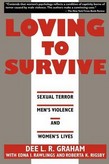
In 1973, three women and two men were held hostage in a bank in Stockholm by two ex-convicts. This book describes how the hostages and their captors formed a bond (now known as the Stockholm Syndrome); and how survival mechanisms for the women could be seen to mirror those employed in daily life.
A widely used and accepted form of intervention, group therapy has been successfully applied to a variety of populations. This book addresses the here-and-now needs of practitioners working with adult incest survivors. It explores the benefits of this treatment modality in ameliorating symptoms experienced by this client population, and examines both content and process issues in incest therapy groups. Drawing on both current research literature and their own clinical experience, the authors discuss: group treatment research issues; problems experienced by clients; how to prepare both therapist and client for the therapy process; and typical group phases. Other topics explored include problems that can affect the group as a whole and interactions within the group.
A widely used and accepted form of intervention, group therapy has been successfully applied to a variety of populations. This book addresses the here-and-now needs of practitioners working with adult incest survivors. It explores the benefits of this treatment modality in ameliorating symptoms experienced by this client population, and examines both content and process issues in incest therapy groups. Drawing on both current research literature and their own clinical experience, the authors discuss: group treatment research issues; problems experienced by clients; how to prepare both therapist and client for the therapy process; and typical group phases. Other topics explored include problems that can affect the group as a whole and interactions within the group.
The 1980s saw official crime policy in the United States shifting its focus from crime and criminals to victimization and victims. In this thought-provoking book, Robert Elias evaluates the effectiveness of this shift in policy and argues that victims have been politically manipulated for official objectives. From a thorough examination of victim legislation, get-tough crime policies, media crime coverage, the victim movement, and the wars on crime and drugs, Elias concludes that little victim support has actually occurred and that victimization is, in fact, escalating. He argues for a change in the structural sources of crime and proposes a `new culture' that could lead to substantially less crime.
From the Scars of Survival to the Wisdom for Change
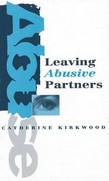
This text explores the nature of woman abuse and contributes to a key issue for feminist campaigning and theory. The past 25 years of research on "battered" women has focused on the psychological, sociological and political conditions which contribute to violence, and on women's reasons for staying with violent and abusive partners. Drawing on first-hand accounts, the author goes beyond the discourse of "victims" and "survivors" to offer insights into the very specific and multi-faceted nature of the abuses women experience - emotional as well as physical. The author sheds light on both the dynamics of abuse which afford abusers control over women, and the resources and knowledge women draw upon to re-empower themselves. Examining first the nature of abuse and then the issues confronted by a woman after she has left an abusive relationship, Kirkwood finds that women's experiences of society after leaving abusive partners are highly interrelated. She develops the concept of a "web" to explain how the different elements of abuse connect to make up the experiences of abused women. Suitable for anyone concerned with understanding woman abuse, this book develops existing knowledge by fully exploring the emotional and practical struggles women confront in leaving abusive relationships, and demonstrates how formerly-abused women create a process of survival and personal change which extends into their experiences after leaving.