This book adds a major culture-based study to the field of Irish history. It addresses a topic and touches on themes that continue to be relevant and debated in contemporary Ireland. It makes a major contribution to the "New Military History" of Ireland and adds the memory of the First World War of one of the "small nations" that emerged in the ......
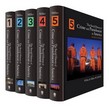
Several encyclopedias overview the contemporary system of criminal justice in America, but full understanding of current social problems and contemporary strategies to deal with them can come only with clear appreciation of the historical underpinnings of those problems. Thus, this five-volume work surveys the history and philosophy of crime, punishment, and criminal justice institutions in America from colonial times to the present. It covers the whole of the criminal justice system, from crimes, law enforcement and policing, to courts, corrections and human services. Among other things, this encyclopedia: explicates philosophical foundations underpinning our system of justice; charts changing patterns in criminal activity and subsequent effects on legal responses; identifies major periods in the development of our system of criminal justice; and explores in the first four volumes - supplemented by a fifth volume containing annotated primary documents - evolving debates and conflicts on how best to address issues of crime and punishment. Its signed entries in the first four volumes--supplemented by a fifth volume containing annotated primary documents--provide the historical context for students to better understand contemporary criminological debates and the contemporary shape of the U.S. system of law and justice.
Explores the cultural construction of ethnic economies and markets, the social dynamics of American race, and the fully transnational history of American wine
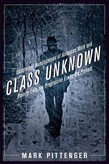
Undercover Investigations of American Work and Poverty from the Progressive Era to the Present
A study of undercover investigations of work and poverty in America, in which an award-winning historian examines how intellectuals were shaped by their experiences with the poor, and how despite their sympathy toward working-class people, they unintentionally helped to develop the contemporary concept of a degraded and other American underclass.
Undercover Investigations of American Work and Poverty from the Progressive Era to the Present
Examines how intellectuals were shaped by their experiences with the poor, and how despite their sympathy toward working-class people, they unintentionally helped to develop the contemporary concept of a degraded and other American underclass.