Theodore Wieland hears mysterious voices. Are these the result of delusions, ventriloquism, or divine forces? In this Gothic thriller, the novelist portrays a man beset by religious guilt which erupts into mania, making him an extreme danger to others.
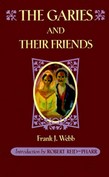
In this novel set in antebellum America, the Garies--a white southerner, his mulatto slave-turned-wife, and their two children--have moved to Philadelphia from Georgia. ""`And how do you like your house?' asked Mrs. Stevens; `it is on the same plan as ours, and we find ours very convenient. They both formerly belonged to Walters . . . Do you ......
Photography and Portraiture in Antebellum American Fiction
Susan Williams recovers the literary and cultural significance of early photography in an important rereading of American fiction in the decades preceding the Civil War. The rise of photography occurred simultaneously with the rapid expansion of magazine publication in America, and Williams analyzes the particular role that periodicals such as ......
Esther, a young New York socialite and artist raised without religion, falls in love with Episcopal clergyman Stephen Hazard, but she cannot embrace his Christianity and remain true to herself.
Features stories focusing on the development and existence of the male, the trials and tribulations of adolescence, maturity, and old age. This book takes complicated emotional experiences and presents them clarity allowing readers to vicariously share the experience.
Kate Chopin (1851-1904) was the first American woman to deal with women's roles as wives and mothers. This book, her most famous novel, concerns a woman dissatisfied with her indifferent husband. It is an indictment of the religious and social pressures brought to bear on women who transgress restrictive Victorian codes of behaviour.
Concerns the governess of two small children who thinks that her charges are being haunted by ghosts. This book illustrates the author's theory of the horror story: to suggest rather than state horror.
The Salem witch trials, a shameful episode in early New England history, provided a salient theme for several nineteenth-century American writers, including John Greenleaf Whittier and John William De Forest. This book deals with the hysteria and scape-goating that surrounded the trials.
Contemplates the belief systems, prejudices, and institutions that have brought humankind to a dreadful impasse, where it stands at the brink of destruction - or of a new beginning. This book points out how absurd and outmoded religious beliefs, marked by intolerance, hatred, and exclusion, have poisoned human beings' relations.