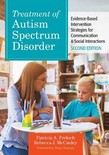
Evidence-Based Intervention Strategies for Communication & Social Interactions
The second edition of this bestselling textbook gives professionals the foundation they need to evaluate and compare todays widely used interventions-and determine which ones will promote the best outcomes for the people they serve.
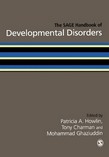
Over the last four decades, breakthroughs in genetic knowledge, together with the emergence of disciplines devoted to the scientific study of developmental disorders have resulted in much greater awareness of the many different behavioural and genetic phenotypes involved. It is now evident that not only do different disorders have different causes and different manifestations, but different neurological and biochemical bases, different responses to intervention, and different life courses. Reflecting the enormous changes that have taken place in our knowledge and understanding of developmental disorders, this groundbreaking international volume brings this vast and complex field together for the first time. The Editors have collected together the world's leading academic scholars and clinicians, to explore how current research across a range of different disciplines can inform clinical practice and help to improve the lives of individuals and their families.
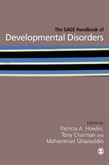
Over the last four decades, breakthroughs in genetic knowledge, together with the emergence of disciplines devoted to the scientific study of developmental disorders have resulted in much greater awareness of the many different behavioural and genetic phenotypes involved. It is now evident that not only do different disorders have different causes and different manifestations, but different neurological and biochemical bases, different responses to intervention, and different life courses. Reflecting the enormous changes that have taken place in our knowledge and understanding of developmental disorders, this groundbreaking international volume brings this vast and complex field together for the first time. The Editors have collected together the world's leading academic scholars and clinicians, to explore how current research across a range of different disciplines can inform clinical practice and help to improve the lives of individuals and their families.
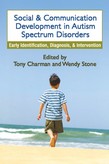
Grounded in the findings on typically and atypically developing infants, toddlers, and preschoolers, this work shows the connections between ASD and impairments in joint attention, communication and language, play, and imitation. It also explores the developmental and neurobiological processes that underlie social-communication deficits in ASD.
Presents advances in understanding and treating autism spectrum disorders (ASD) in very young children. This book highlights the connections between ASD and specific early social-communication impairments, including problems with joint attention, imitation, and play, with a focus on what clinicians can do to help.