Geared toward social and behavioural statistics students, especially those with no background in computer science, this handy guide contains basic information on statistics in the R language.
A Guide to Qualitative Field Research provides readers with clear, practical, and specific instructions for conducting qualitative research in the field. In the expanded Third Edition, Carol A. Bailey gives increased attention to the early and last stages of field research, often the most difficult: selecting a topic, deciding upon the purpose of your research, and writing the final paper, all in her signature reader-friendly writing style.
*Shortlisted in the Management and Leadership Textbook Category at CMI Management Book of the Year Awards 2017* Are you undertaking (or thinking of doing) a Doctor of Business Administration (DBA) or other professional doctorate (PD) in business and management? Or perhaps you're supervising and delivering one of these programmes? This is your complete - and practical - guide to succeeding on this course. A Guide to Professional Doctorates in Business and Management has been written by a team of experts with experience of the challenges faced in both studying for and supervising professional doctorates in business and management. Inside they address the key issues faced, in particular how these courses differ from a traditional PhD, and the different skills and approach needed for success. Chapters explore the nature and importance of PDs as leading change in the professional world of practice, and how they need to differ from traditional forms of doctorate such as PhDs. The guide also offers practical guidance on researching in this particular mode, and through writing and publishing a thesis, making a valuable contribution to professional knowledge.
This practical guide is designed for students undertaking professional doctorates in business and management including DBAs, and addresses a number of key issues faced by supervisors and students, in particular, how they differ from a PhD and the different skills and approach required to succeed.
This book is a guide to research methods for practitioner research. Written in friendly and accessible language, it includes numerous practical examples based on the authors' own experiences in the field, to support readers. The authors provide information and guidance on developing research skills such as gathering and analysing information and data, reporting findings and research design. They offer critical perspectives to help users reflect on research approaches and to scrutinise key issues in devising research questions. This book is for undergraduate and postgraduate students, teachers and practitioners in practitioner research development and leadership programmes. The team of authors are all within the School of Education at the University of Glasgow and have significant experience of working with practitioner researchers in education.
This book is a guide to research methods for practitioner research. Written in friendly and accessible language, it includes numerous practical examples based on the authors' own experiences in the field, to support readers. The authors provide information and guidance on developing research skills such as gathering and analysing information and data, reporting findings and research design. They offer critical perspectives to help users reflect on research approaches and to scrutinise key issues in devising research questions. This book is for undergraduate and postgraduate students, teachers and practitioners in practitioner research development and leadership programmes. The team of authors are all within the School of Education at the University of Glasgow and have significant experience of working with practitioner researchers in education.
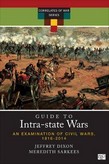
An Examination of Civil, Regional, and Intercommunal Wars, 1816-2014
Sourcing data and analyses from the rigorous Correlates of War Project, A Guide to Intra-state Wars describes how civil war is defined and categorized and presents data and descriptions for nearly 300 civil wars waged from 1816 to 2014. Analyzing trends over time and regions, this work is the definitive source for understanding the phenomenon of civil war, bringing together an explanation of the theoretical premises driving the Correlates of War Project, along with revisions to categories of, and actors in, civil wars that have been made over the years, and data from the Nations, States and Entities civil war dataset. Features: Provides detailed case studies of nearly 300 civil wars from 1816 to 2014 Combines the systematic study of war with analyses of trends over time and regions Includes discussion of the different types of actors in international relations and presents data from the Nations, States, and Entities dataset Considers data describing non-state participants (rebels) in civil wars
How do people become effective teachers? This is the textbook students need to support them on this journey, no matter their training route or whether primary or early years in focus. Through a unique pairing of academic research and teaching expertise, each chapter is collaboratively authored by an academic specialist and an experienced practitioner to provide a realistic and practical view of teaching children from years 3 - 11. The book combines all the major topics, theories and research students need to know, along with up-to-date policy and legislation. Inventive and practical learning aids and carefully crafted online resources will help readers to: Understand: helpful learning aims at the beginning and summaries at the end of every chapter guide students through each topic Apply: Spotlight on Practice features highlight real teaching examples, Putting it into Practice features provide advice on how key concepts can be employed in real life whilst classroom activities on the website provide further ideas for teaching Reflect on key concepts, as well as your own practice and values, through the refection points and author podcasts on the website outlining key issues to stimulate critical thinking Go further with informative annotated further reading at the end of every chapter, links to relevant websites integrated throughout, and carefully selected SAGE journal articles freely available on the website This is an essential textbook for use across all your primary and early years teaching courses - whether students are training to be lower/upper primary school teachers or early years practitioners, including those on undergraduate or postgraduate teacher training courses and employment-based routes.
How do people become effective teachers? This is the textbook students need to support them on this journey, no matter their training route or whether primary or early years in focus. Through a unique pairing of academic research and teaching expertise, each chapter is collaboratively authored by an academic specialist and an experienced practitioner to provide a realistic and practical view of teaching children from years 3 - 11. The book combines all the major topics, theories and research students need to know, along with up-to-date policy and legislation. Inventive and practical learning aids and carefully crafted online resources will help readers to: Understand: helpful learning aims at the beginning and summaries at the end of every chapter guide students through each topic Apply: Spotlight on Practice features highlight real teaching examples, Putting it into Practice features provide advice on how key concepts can be employed in real life whilst classroom activities on the website provide further ideas for teaching Reflect on key concepts, as well as your own practice and values, through the refection points and author podcasts on the website outlining key issues to stimulate critical thinking Go further with informative annotated further reading at the end of every chapter, links to relevant websites integrated throughout, and carefully selected SAGE journal articles freely available on the website This is an essential textbook for use across all your primary and early years teaching courses - whether students are training to be lower/upper primary school teachers or early years practitioners, including those on undergraduate or postgraduate teacher training courses and employment-based routes.