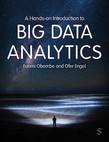
This practical textbook offers a hands-on introduction to big data analytics, helping you to develop the skills required to hit the ground running as a data professional. It complements theoretical foundations with an emphasis on the application of big data analytics, illustrated by real-life examples and datasets. Containing comprehensive coverage of all the key topics in this area, this book uses open-source technologies and examples in Python and Apache Spark. Learning features include: - Ethics by Design encourages you to consider data ethics at every stage. - Industry Insights facilitate a deeper understanding of the link between what you are studying and how it is applied in industry. - Datasets, questions, and exercises giveyou the opportunity to apply your learning. Dr Funmi Obembe is the Head of Technology at the Faculty of Arts, Science and Technology, University of Northampton. Dr Ofer Engel is a Data Scientist at the University of Groningen.
Divided into two parts, this book examines the train of social theory from the 19th century, through to the 'organization of modernity', in relation to ideas of social planning, and as contributors to the 'rationalistic revolution' of the 'golden age' of capitalism in the 1950s and 60s. Part two examines key concepts in the social sciences. It ......
Divided into two parts, this book examines the train of social theory from the 19th century, through to the 'organization of modernity', in relation to ideas of social planning, and as contributors to the 'rationalistic revolution' of the 'golden age' of capitalism in the 1950s and 60s. Part two examines key concepts in the social sciences. It ......
A History of Modern Criminal Justice focuses on the modern aspects of the subject, from 1900 to the present. A unique thematic rather than a chronological approach sets this book apart from the competition, with chapters organized around themes such as policing, courts, due process, and prison and punishment. Making connections between history and contemporary criminal justice systems, structures and processes, A History of Modern Criminal Justice offers students the latest in historical scholarship, made relevant to their needs as future practitioners in the field.
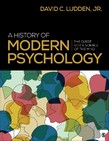
A History of Modern Psychology: The Quest for a Science of the Mind presents a history of psychology up to the turn of the 21st century. Author David C. Ludden, Jr. uses a topical approach to discuss key thinkers and breakthroughs within the context of various schools of thought, allowing students to see how philosophers, researchers, and academics influenced one another to create the rich and diverse landscape of modern psychology.
Eric Shiraev provides a fresh, accessible, and global approach to teaching about the history of psychology. Each chapter in A History of Psychology provides a thorough and global view of psychology's interaction with culture and society in different periods beginning in the ancient times and stretching through the Middle Ages and the modern period to the current millennium. Without reducing the discussion of both contemporary and classic themes and theories, this textbook endorses a more diversified, inclusive approach to psychological knowledge. Constant connections between past and present, a clear and engaging style, along with plentiful examples, visual aids, and critical-thinking questions make this an enjoyable text for students. Features: Each chapter begins with a highly engaging vignette or opening case, which features a familiar-to-most-students theme or topic. Global and multicultural emphasis examines the development of psychology from around the world. The text examines contemporary psychology yet does not give short shrift to the roots of psychology. Each chapter contains a section on the impact of psychology on society as well as societal influences on the discipline which includes its influence in various fields such as medicine, education, work, criminal justice, business, advertising, and entertainment. Case In Point boxes give students the opportunity to come to their own conclusions about issues and think critically about biases that may have influenced psychology. Carefully designed chapter opening timelines place main events, names, and theories in a visual, chronological perspective of psychology's past and present In their own words boxes display quotes made by famous psychologists and other scholars about psychological research and its applications Checkpoints, chapter summaries and end-of-chapter key terms help students review and prepare for exams
Until recently, race relations research has been an understudied and stigmatized area of the social sciences. This volume traces its emergence as a central topic, highlighting the major milestones that established it as a legitimate research domain. The contributors, key figures in the post-war development of United States race research, relate their own experiences with race and racism and the developing interest in the understanding of race as a social force, giving the reader an insider's view of the field.
Until recently, race relations research has been an understudied and stigmatized area of the social sciences. This volume traces its emergence as a central topic, highlighting the major milestones that established it as a legitimate research domain. The contributors, key figures in the post-war development of United States race research, relate their own experiences with race and racism and the developing interest in the understanding of race as a social force, giving the reader an insider's view of the field.
This hands-on guide takes students from start-to-finish through the research process while showcasing the complexities and interrelationships of different methods, schools of thought, and associated analytical strategies. Encouraging students to think of qualitative research as a flexible, cyclical process rather than a linear one, this book offers a panoramic strategy and dynamic approach to qualitative research that accommodates the fluid nature of research and accounts for lessons learned through lived experience. With an emphasis on the analysis stage-within case, across case, and the dialogue between these insights and existing literature-it uses concrete applications to show how your methodological decisions translate into practice. It covers: Forming, defending, and evaluating research questions Choosing a research approach Ensuring ethically sound research Collecting quality data Analyzing data in layers Reporting research results Through a conversational tone that unpacks key vocabulary and acts as a companion supervisor, this book equips you to traverse every step of the qualitative research journey.