Thirty-seven Days of Peril" and a Handwritten Account of Being Lost
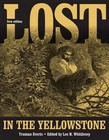
In 1870, Truman Everts visited what would two years later become Yellowstone National Park, traveling with an exploration party intent on mapping and investigating that mysterious region. Scattered reports of a mostly unexplored wilderness filled with natural wonders had caught the public's attention and the fifty-four-year-old Everts, nearsighted ......
Drawing on historical perspectives, personal excursions, and decades of professional research and work in the field, Paul Schullery illuminates many of the possible truths embedded within the natural and cultural reality that is Yellowstone National Park. By varying the scale of observation-from a single encounter between a cow elk and a grizzly ......
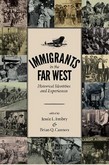
This collection showcases the cutting-edge research and innovative approaches that a new generation of scholars is bringing to the study of immigration in the American West. Often overlooked in general studies of immigration, the western United States has been and remains an important destination. The unique combination of ethnicities and races in ......
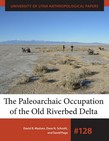
About 12,000 years ago, a major river ran from the Sevier Basin to the Great Salt Lake, feeding a wetland delta system and creating riparian habitat along its length. But after three thousand years the river dried up and the surrounding lands became more like what we see today. Because the Old River Bed Delta experienced less environmental and ......
This book explores the articulation between "accent" and ethnic identification in K'ichee', a Mayan language spoken by more than one million people in the western highlands of Guatemala. Based on years of ethnographic work, it is the first anthropological examination of the social meaning of dialectal difference in any Mayan language. Romero ......
In The Rival, Sara Wallace takes her readers on an intimate journey through a woman's solitary, surreal rural childhood and her brutal, sexually fraught first marriage to the conflicted redemption she finds in motherhood and a second chance at love. In this debut poetry collection, Wallace reveals how closely emotional devastation and ......
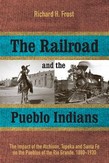
The Impact of the Atchison, Topeka and Santa Fe on the Pueblos of the Rio Grande, 1880-1930
Richard Frost examines the profound effects that the coming of trains had on Pueblo Indians in New Mexico's Rio Grande Valley, where their arrival was a social and cultural tsunami. It affected community autonomy, privacy, and well-being and destroyed or damaged crops, livestock, and irrigation ditches. The trains brought lawyers, speculators, ......
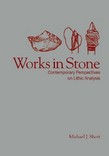
Whether done by Stone Age hunters or artisans in ancient civilizations, the transformation of resistant stone into useful implements required skills with a high level of sophistication. Because stone tools are durable, today we have a lithic record to explain past behavior and the evolution of culture over long spans. Interpretive and analytical ......
Sasun, a region of Anatolia formerly under Ottoman rule and today part of eastern Turkey, is frequently described as the site where, in 1894, the Turks massacred large numbers of Armenian Christians, with estimates ranging from 3,000 to 10,000 people. News reports at the time detailed that gruesome acts, including torture, had occurred at Sasun at ......