Nature's Paradox is about the intersection of two major crises of the 21st century; the sustainability crisis and the social exclusion and inequality crisis. It explores the disproportionate impact that environmental decline is having on excluded populations, and presents solutions for bringing environmental justice to underrepresented ......
Africa's growing youth population presents an untapped migration potential, but challenges like low economic growth, conflict, and climate change persist.
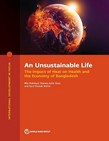
The Impact of Heat on Health and the Economy of Bangladesh
A manifestation of climate change, temperatures in Bangladesh are increasing at an alarming rate, with frequent bouts of extreme heat events. In 43 years, between 1980 and 2023, maximum temperature in the country increased by 1.1 degreesC, while the "feels like" temperature rose by 4.5 degreesC over the same duration. How does increasing exposure ......
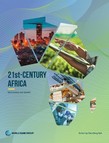
Africa in the 21st Century reexamines persistent barriers to development and explore emerging opportunities for the continent. It discusses policies that can help countries sustain inclusive green growth.
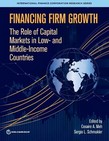
The Role of Capital Markets in Low- and Middle-Income Countries
Firms in low- and middle-income countries have historically found it harder to access capital than their peers in richer economies. This report uses a new database on bond and equity issuance to show that gap is narrowing, with increased participation in capital markets leading to greater investment and job creation.
Global Economic Prospects is a World Bank Group Flagship Report that examines global economic developments and prospects, with a special focus on emerging market and developing economies, on a semiannual basis (in January and June). Each edition includes analytical pieces on topical policy challenges faced by these economies.
Decarbonizing Development in East Asia and the Pacific
Even as East Asia's innovation and investment improve global access to green technologies, its own emissions continue to grow because of the reluctance to penalize carbon-intensive technologies. Deeper reform of the region's own policies may foster greater international cooperation on climate change, innovation, and trade in green goods.
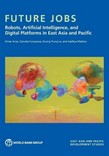
Robots, artificial intelligence, and digital platforms are affecting growth and jobs by creating new tasks, enhancing labor productivity, and displacing workers. To adapt, the region needs to enhance skills, facilitate mobility, remove factor price distortions, and provide social insurance for workers in the new digital ecoomy.
Productivity and Digital Technologies in East Asia and Pacific
In recent decades, economic growth in East Asia and the Pacific (EAP) has been driven primarily by capital accumulation rather than increases in productivity. To raise productivity and revitalize the region's economy, bold policy action is needed to unleash competition, improve infrastructure, and reform education.