A useful tool for initiating communication and providing stimulation for persons with Alzheimer's disease and other dementias. It can be used by children, adults, and family as well as health professionals as a device to interact with those suffering from memory loss.
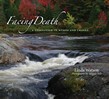
Individuals facing death may not know how to express the range of emotions, questions, and discoveries they experience. This book can help open the door to meaningful conversation, reminiscence, and reflection at the end of life.
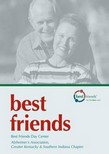
Here's a moving introduction to the innovative Best Friends approach to caring for older people with Alzheimer's disease and related dementia's. This touching 20-minuted DVD "showcases the Best Friends (TM) approach in action at a model adult day center volunteer program" and includes the Alzheimer's Disease Bill of Rights.
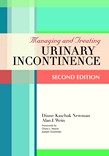
Incontinence is not an inevitable part of aging, nor is it untreatable once it develops. Thoroughly revised and updated, this new edition of a trusted resource teaches diverse and effective strategies for assessing, managing, and even eliminating urinary incontinence in all care settings.
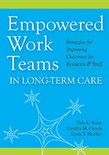
Strategies for Improving Outcomes for Residents & Staff
Delivers both a rationale for and implementation guide to creating empowered work teams (EWT) in long-term care settings. This work introduces the concept of EWTs and looks at how they work in different settings: traditional nursing homes, assisted living, and home care. It also shows you the steps necessary to implement EWTs from the scratch.
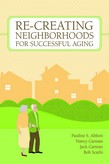
The aging population will cause dramatic changes in the spatial, social, psychological, and behavioral definitions of retirement and retirement communities. This shift requires that housing and space designers to rethink their models. This book provides equal parts forecasting, advocacy for ideas, and guidance for the evolution of existing models.
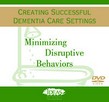
Professional caregiving staff deal regularly with disruptive behaviours in residents with dementia but often do not have adequate tools to decipher the underlying causes of these behaviours. Through this 21-minute DVD, viewers learn to evaluate all aspects of the caregiving environment before working on individualized solutions.
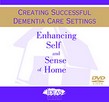
Viewers will learn the ways in which personal needs are fulfilled within homelike settings and how a facility can improve resident functioning by making simple adaptations to the physical and caregiving environments. This video illustrates facility staff using a step-by-step process to identify problem areas, recognise underlying needs, to then ......
Deteriorating abilities to maintain independence are hallmarks of dementia, but they need not lead to helplessness. With simple changes to the environment, facility staff can maximize functional independence and minimize excess disabilities for older adults with dementia. Here is a step-by-step process for identifying barriers and finding ......