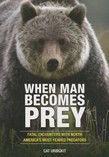
Sam Ives's family set up camp in a Utah campground, cooked dinner, cleaned up and packed their gear away, and climbed into their multi-chambered tent to sleep. It was a great end to Father's Day. Eleven-year-old Sam crawled into the smaller compartment of the two-room tent. Without his parents knowing it, Sam ate a granola bar and placed the empty wrapper in a pocket of the tent. Sometime during the night, a black bear entered the campsite, ripped open the side of the tent where Sam slept, grabbed the boy, and killed him. His parents heard a noise and got up to have a look around, but were unable to find Sam. Terrified, they immediately called for help and a search was quickly conducted, where Sam's body was found about 400 yards from the campsite.Unfortunately, Sam's story is not uncommon-every year there are numerous reports of predator attacks on humans, many of them resulting in fatalities. When Man Becomes Prey examines the details of fatal predator attacks on humans, providing an opportunity to learn about the factors and behaviors that led to attacks. The predators profiled in the book include black bears, grizzly bears, mountain lions, coyotes, and gray wolves-the first time all five species have been included in one volume--. Compelling narratives of conflicts involving these top predators are accompanied by how-to information for avoiding such clashes.
Cat Urbigkit is an award-winning writer and photographer. She has written ten books, including Yellowstone Wolves: A Chronicle of the Animal, the People, and the Politics and Shepherds of Coyote Rocks: Public Lands, Private Herds, and the Natural World. She maintains the newsblog, WolfWatch, and contributes regularly to regional newspapers and other outdoors blogs. She lives in western Wyoming.
"Across America, more people and predators are meeting unexpectedly. Unfortunately, the people have lost all understanding of the wild, while the animals have lost their fear of humans. The predictable results are ever-increasing predatory attacks on people and greater numbers of wildlife destroyed. Cat Urbigkit's well-timed, well-researched, and well-written book should be required reading. This book is well worth reading just for the pleasure of Cat's writing." -Jameson Parker, actor, writer, bear-attack survivor, www.readjamesonparker.com "Proactive approaches to manag[ing] attractants and inform[ing] the public of appropriate methods of interaction with wildlife are critical to successful wildlife management programs, as Cat Urbigkit hammers home in her book. She makes the case that modern wildlife management must provide for . . . [the] welfare . . . [of] wildlife and increased levels of human health and safety." --Scott Talbott, Chairman of the Western Association of Fish and Wildlife Association Human/Wildlife Conflict Committee